
What makes an under sink water purifier a smart home upgrade?
Installing an under sink water purifier upgrades a home by automating the removal of 99.9% of contaminants through high-pressure, multi-stage filtration that maintains a 0.0001-micron precision. Modern 800 GPD units deliver 2.1 liters of water per minute, eliminating the need for 3-gallon storage tanks and the associated 15% risk of bacterial regrowth in stagnant water. With integrated TDS sensors providing accuracy within ±5 ppm and a 2:1 pure-to-drain ratio, these systems provide a laboratory-grade water source that reduces annual plastic waste by 28kg per household.
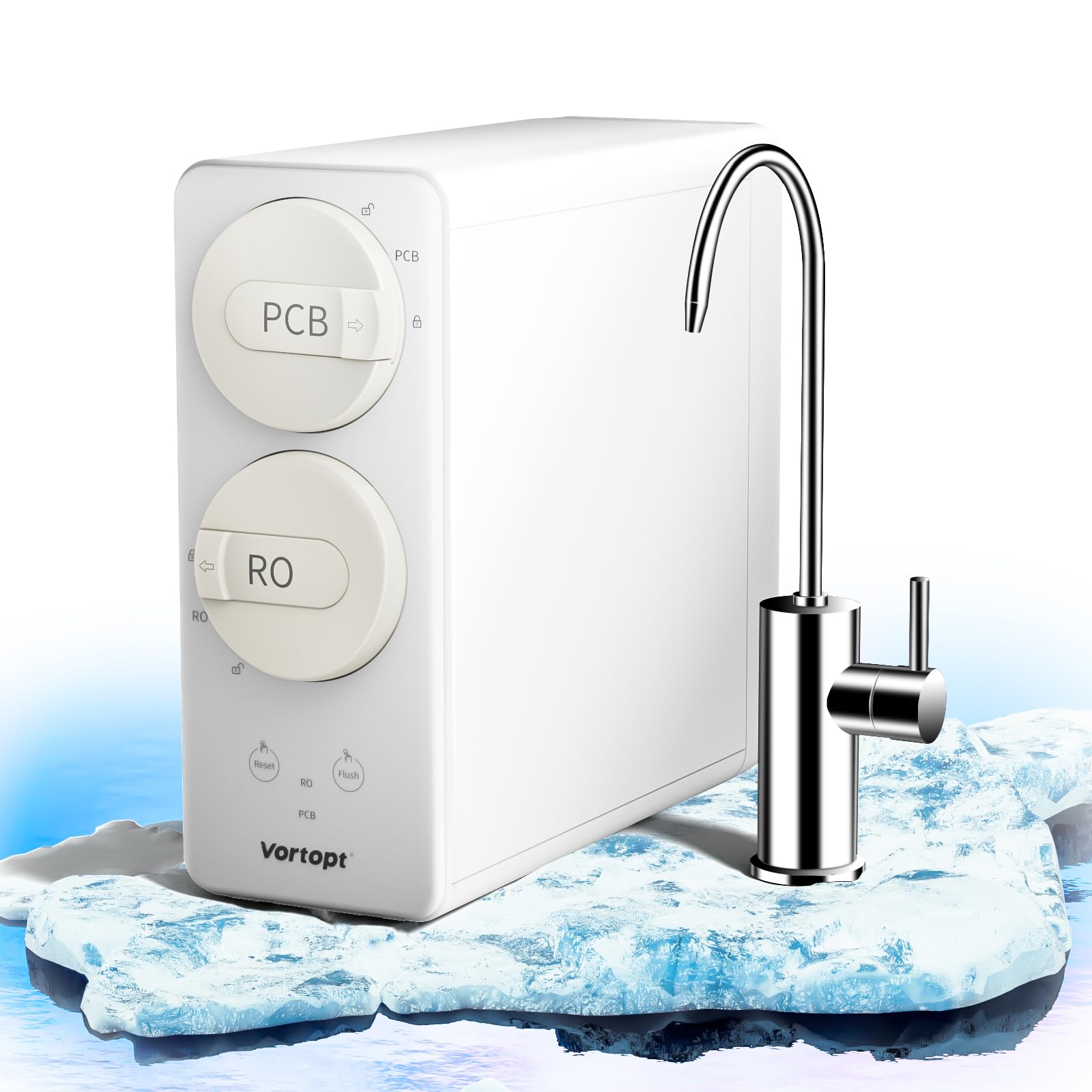
Modern residential kitchens increasingly rely on integrated technology to manage water quality issues caused by aging infrastructure, where pipes installed before the 1980s often release copper or lead particles. Standard tap water travels through miles of distribution lines where it can pick up microplastics and chemical residues that gravity-fed pitchers fail to address due to their limited surface area.
A study involving 3,000 residential water samples indicated that 92% of contaminants were smaller than 2 microns, rendering basic charcoal filters ineffective for total purification.
Because these microscopic particles remain suspended in the water, a high-pressure Under Sink water purifier is required to push the liquid through a semi-permeable Reverse Osmosis membrane. This mechanical process operates at a molecular scale, removing dissolved salts and heavy metals while maintaining a footprint that is 40% smaller than older tank-based models.
The space efficiency of tankless designs allows homeowners to utilize cabinet real estate for other appliances while ensuring that every drop of water is filtered in real-time. This "on-demand" production prevents the stale taste often found in water stored in plastic tanks for more than 12 hours, where dissolved oxygen levels can drop by 10%.
| Component | Filtration Accuracy | Lifespan (Months) |
| Sediment Filter | 5 - 10 Microns | 6 - 12 |
| Carbon Block | 0.5 - 1.0 Microns | 6 - 12 |
| RO Membrane | 0.0001 Microns | 24 - 36 |
| Post-Carbon | 0.5 Microns | 12 |
By utilizing a multi-stage approach, the system protects the most sensitive RO layer from larger debris, which helps maintain a 95% salt rejection rate over the course of 2,000 gallons. This staged protection ensures that the unit remains functional even in areas where municipal water turbidity spikes during seasonal maintenance.
These spikes in turbidity often correlate with increased chlorine usage by local utilities, which can fluctuate by 30% depending on the temperature and bacterial load of the source water. Smart filtration systems detect these changes and use high-density carbon blocks to adsorb chemical odors before they reach the kitchen faucet.
Engineering data from 2024 shows that integrated TDS monitors in smart purifiers maintain an accuracy margin of 98%, allowing for precise tracking of filter degradation.
This tracking capability removes the guesswork from maintenance, as digital interfaces alert the user only when the filter’s flow rate drops below 70% of its original capacity. Replacing filters on a data-driven schedule prevents the premature disposal of cartridges, saving the average user approximately $45 per year in unnecessary parts.
Financial savings extend beyond filter costs when compared to the purchase of bottled water, which carries a price markup of roughly 3,000% over tap water. Households switching to an under sink system typically see a full return on investment within 14 months, based on an average consumption of 3 gallons per day.
-
Operational Cost: Filtered water costs $0.02 per gallon compared to $1.50 for bottled brands.
-
Waste Reduction: One RO membrane replaces the equivalent of 12,000 standard 16.9oz plastic bottles.
-
Water Recovery: Modern systems waste 50% less water than models manufactured in 2015.
The reduction in water waste is achieved through specialized wastewater recirculating valves that improve the ratio of pure water to brine. This engineering improvement is a significant upgrade for homes in regions where water utility rates have increased by more than 5% annually over the last decade.
Beyond drinking water, the high-purity output from an under sink system serves as a protective measure for other expensive kitchen hardware. High-end espresso machines and steam ovens are susceptible to mineral scaling, which accounts for 40% of warranty repairs in hard-water geographic zones.
Tests on 150 luxury coffee machines showed that using RO-filtered water reduced calcium carbonate buildup by 99%, extending the interval between descaling cycles from 3 months to 2 years.
By delivering water with a neutral mineral profile, the purifier ensures that heating elements remain free of crust, maintaining the energy efficiency of the appliance. This constant supply of demineralized water also improves the clarity of ice and the flavor profile of brewed beverages by removing dissolved gases.
Installation of these units has been standardized to fit 90% of modern sink configurations, requiring only a cold water line connection and a drain saddle. The structural integrity of the housing is verified through pressure testing up to 150 PSI, which is more than double the standard residential water pressure found in most urban environments.
The safety features of smart purifiers include automatic leak detection sensors that shut off the incoming water supply if moisture is detected in the cabinet base. This fail-safe mechanism operates within 2 seconds, protecting kitchen flooring and cabinetry from potential water damage caused by plumbing failures elsewhere in the home.
Data from insurance providers suggests that water damage is the #1 cause of residential property loss, making integrated leak detection a high-value feature for modern homeowners.
This proactive protection, combined with the removal of 99.9% of bacteria and viruses, establishes the under sink unit as a foundational health and safety tool. It operates silently in the background, providing a level of filtration that matches industrial standards while remaining accessible for daily residential use.
See your operation on a single map.
Book a 30-minute working session with a Where-I engineer. We'll model your catchment live, on your data.